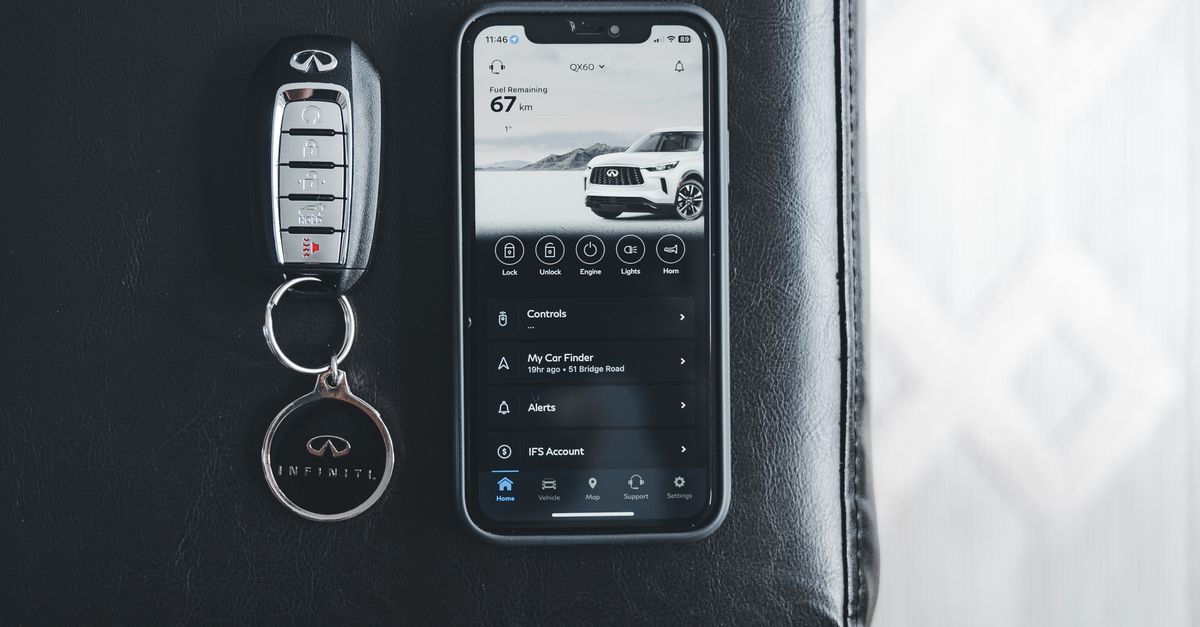
Understanding Your Nissan Key Type Before Replacement
Not every Nissan key is the same, and knowing which type you have shapes everything about the replacement process — the parts required, the programming steps involved, and how long the job takes. Older Nissan models from the late 1990s and early 2000s typically used a standard metal cut key with no electronic component, which is the most straightforward type to duplicate. Models produced from roughly the mid-2000s onward began incorporating transponder chips embedded in the key head. That chip communicates with the car's immobilizer system; if the code doesn't match, the engine won't start even if the key turns the ignition perfectly. Many later Nissan Altimas, Rogues, Muranos, and Maximas added a remote fob to the equation — either a separate key-fob combo or an integrated unit. The most current Nissan vehicles use an Intelligent Key, sometimes called a proximity or smart key, which allows push-button start and passive door locking without inserting anything into the ignition. Each of these systems requires different equipment and expertise to replace correctly.
Our mobile technicians are equipped to handle every tier of Nissan key technology. For transponder keys we use professional-grade programming tools to write the correct immobilizer code to the new key on the spot. For Intelligent Key fobs we carry compatible blanks and perform the full proximity-key synchronization so the push-button start and passive entry features work exactly as they should. Bringing this capability directly to you — in the parking lot off Falls of Neuse Road or outside your office near downtown Raleigh — eliminates the tow-truck cost and multi-day wait that a dealer replacement often involves.