
What Is a Mortise Lock and Why Do Raleigh's Older Homes Still Have Them?
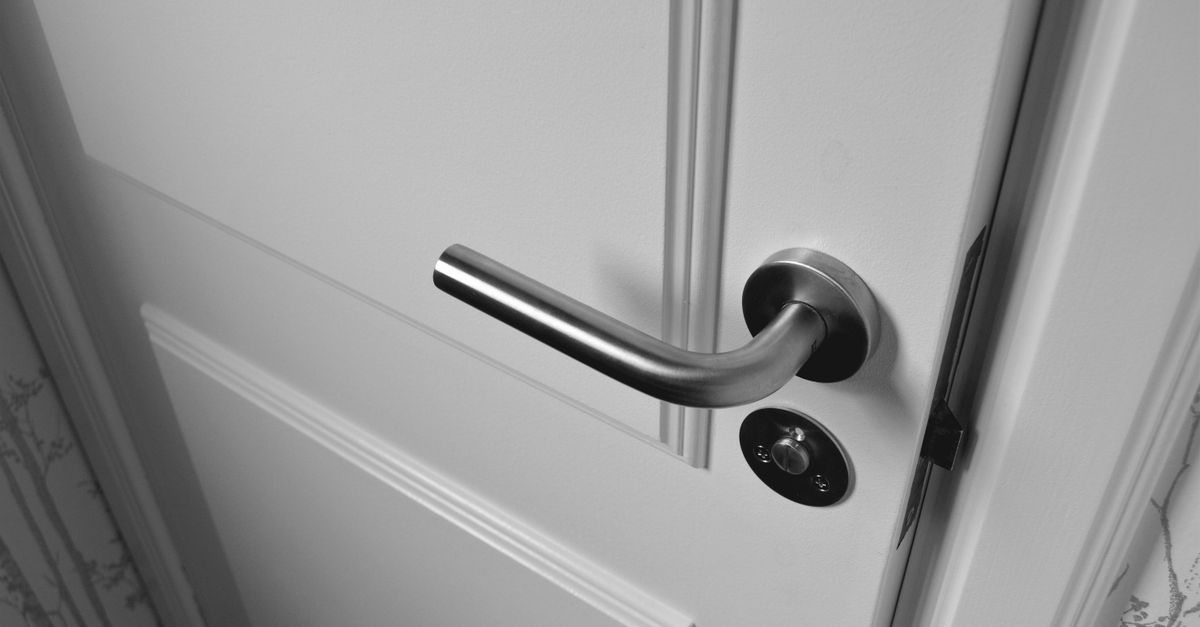
A mortise lock is a lock body installed inside a deep rectangular cavity — the mortise — cut into the door stile itself, rather than surface-mounted or set into a simple bored hole. Because the mechanism is recessed into the door's mass, it can house multiple functions simultaneously: a spring-driven latch for everyday pull-closed convenience, a keyed deadbolt for security, and often a thumb-turn or privacy button. The face plate, strike plate, and external escutcheon trim are all part of a unified mortise lock set, which is why they look so architecturally cohesive on period doors — there is no exposed knob-and-separate-deadbolt combination interrupting the door's profile. In Raleigh, the City of Oaks' historic preservation guidelines encourage (and in some districts require) maintaining original or period-appropriate hardware on older homes, which is one reason so many residents still rely on mortise hardware instead of retrofitting to modern cylindrical locks.
Mid-century Raleigh builders also favored mortise hardware for its durability. Many of the sliding door mortise lock mechanisms found on interior French doors and pocket doors in 1950s and 1960s homes in neighborhoods like Cameron Village or Westover Hills are still functionally sound — they just need professional servicing. If you have ever wondered what is a mortise lock and why your neighbor's old Colonial Revival still uses one, the short answer is that these mechanisms were over-engineered for longevity, and with proper care they outlast most modern alternatives by decades.