Why Keys Snap — and Why It Matters for Your Lock
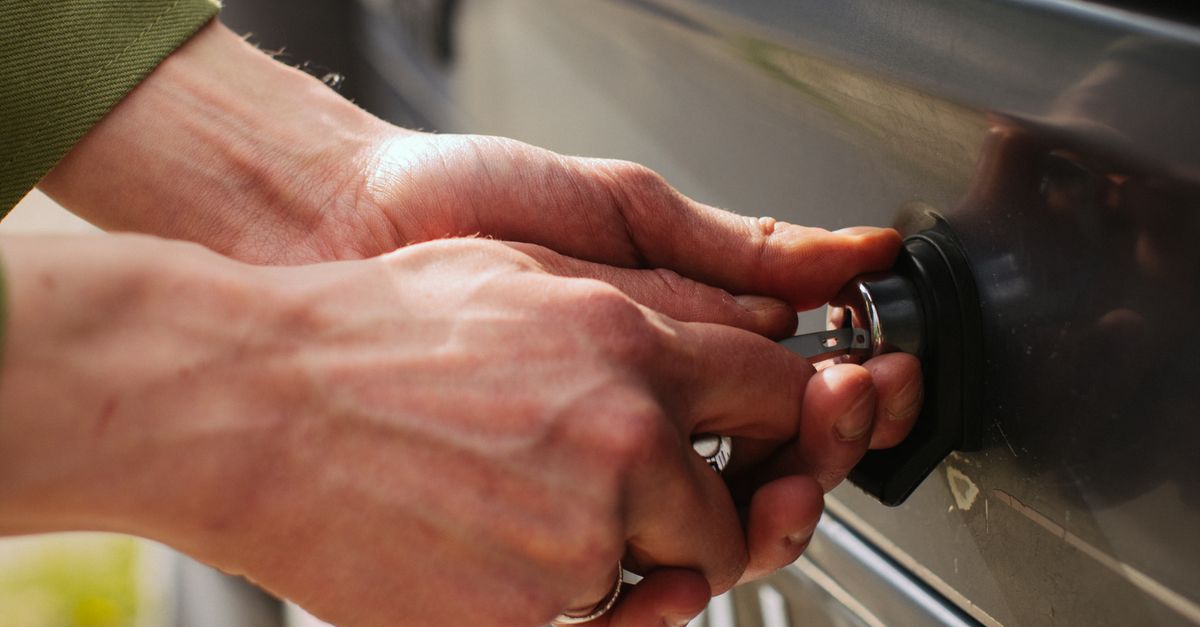
Keys break for several reasons that are worth understanding, because the cause often determines how complex the extraction will be. Metal fatigue is the most common culprit: a key that has been cut, bent slightly, or subjected to years of daily use gradually develops micro-fractures near the bow or the shoulder. When you apply torque — especially if the lock cylinder is stiff, partially frozen in cold weather, or misaligned — those fractures give way suddenly. Car ignition keys are particularly vulnerable because drivers often carry heavy key rings that place constant downward stress on the key blade while driving, accelerating wear at the ignition wafer contact points. In Raleigh's mix of humid summers and occasional hard freezes, door lock cylinders can stiffen overnight, and a firm morning twist is all it takes to snap an already-weakened key.
The position of the broken fragment inside the cylinder matters enormously. If the key snapped with a portion still protruding, a skilled technician may be able to extract it with a hooked extractor tool inserted alongside the fragment. If the key broke flush with or below the face of the cylinder — common in mortise lock bodies and ignition barrels — more precise tooling and a thorough understanding of the cylinder's internal geometry are required. Attempting extraction with improvised tools like tweezers, paperclips, or super glue risks pushing the fragment deeper, scoring the cylinder walls, or binding the wafers or pins in a way that renders the entire lock unserviceable. Calling a professional first saves time, money, and the lock itself.